Why GPS Matters in a Mobile Medical Alarm for Older Family Members
When an older relative lives alone or spends time outdoors, a small delay in getting help can turn a manageable situation into a serious one. A fall, a sudden illness, or simply getting lost can leave them anxious and unable to reach anyone quickly. That is where a device that combines an SOS alert with GPS location becomes more than a gadget, it becomes a practical safety net for the whole family.
This article explains what a mobile medical alarm does, how its GPS feature works, and why that real-time location information helps families respond faster when every minute counts.
What a Mobile Medical Alarm Does
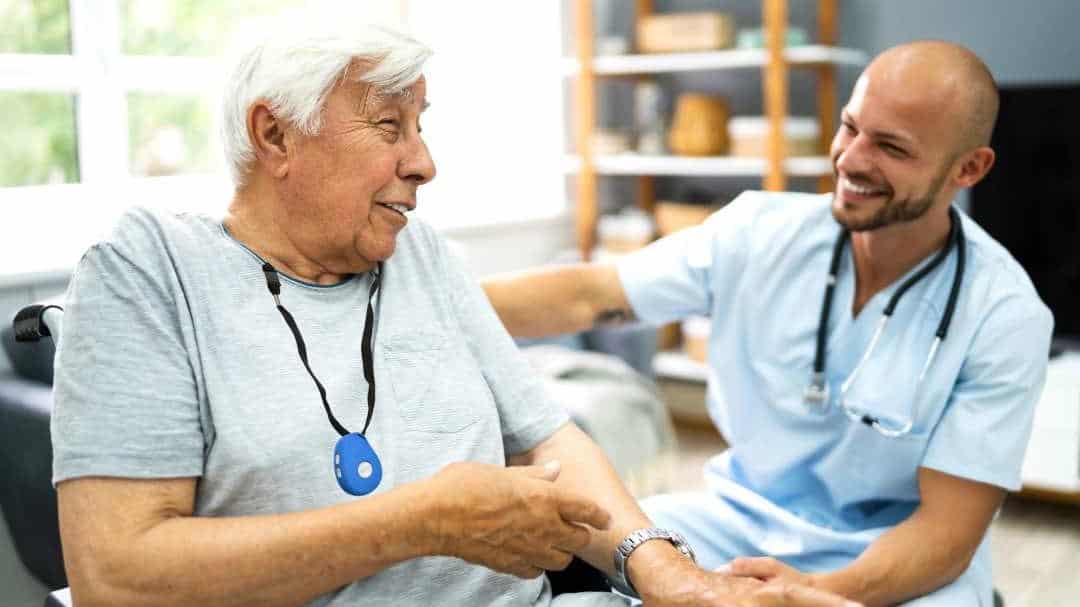
A mobile medical alarm is a wearable device designed for older adults who want to stay independent while keeping family members informed. Unlike a traditional home alarm that only works within a fixed range, a mobile version works anywhere there is mobile coverage. The wearer can press a button to send an SOS alert, and the device transmits their location so someone can reach them quickly.
The key difference from a standard pendant or bracelet is that the alarm travels with the person. Whether they are in the garden, at the shops, or on a walk, the device stays active and ready. That mobility gives older New Zealanders more freedom while giving their family peace of mind.
How GPS Fits Into the Picture
GPS, or Global Positioning System, uses satellites to pinpoint a device's location anywhere on Earth. When a mobile medical alarm is triggered, it can send that location data to a family member's phone or to a monitoring service. The person responding knows exactly where the wearer is, even if the wearer cannot speak or is disoriented.
For example, if someone falls while walking in a local park, they might not be able to describe where they are. But the GPS coordinates tell the family exactly which path or bench to head toward. That saves precious minutes that would otherwise be spent guessing or searching.
Real-Time Location and Faster Response
The speed of a response often depends on how quickly someone can find the person in need. Without location data, a family member might have to call around, check usual spots, or drive to the area and look. With GPS, they get a map pin or coordinates within seconds. That turns a frantic search into a direct route.
This is especially helpful for older adults who may have memory concerns. A person with early dementia might wander off and become confused about where they are. A mobile medical alarm with GPS lets family see their location in real time, so they can bring them home safely without involving emergency services unless necessary.
Two-Way Calling Adds Another Layer
Location data works best when combined with the ability to talk to the person. Many mobile medical alarms include two-way calling, which lets the wearer and the responder speak through the device. That means a family member can ask "Are you okay?" and hear the answer, even if the wearer cannot press a button.
This feature is useful when someone has fallen and is shaken but not seriously hurt. The family can reassure them while heading over, rather than waiting for an ambulance. It also helps in situations where the GPS shows a location but the person is not responding, a quick call can clarify whether they need help or simply forgot to turn off an alert.
What This Means for Everyday Safety
For families with older members living independently, a mobile medical alarm turns a vague worry into a manageable task. Instead of wondering "Is Mum okay?" they can check the device and see that she is at home or on her usual walk. If something does happen, they know where to go.
Outdoor safety is a real concern for seniors who enjoy walking, gardening, or visiting friends. A fall in the backyard might go unnoticed for hours if no one is around. With a wearable device, the wearer can call for help even if they cannot get up. The GPS tells the family exactly where in the yard they are, so responders do not waste time searching the house.

Mobile coverage is another factor to consider. The device needs a signal to send its location, so it is wise to check that the carrier used by the alarm works well in the areas the wearer frequents. Most modern networks cover urban and suburban areas well, but rural spots or valleys can be patchy. Families should confirm coverage before relying on the device in those places.
Choosing a Device That Fits Your Family
Not all mobile medical alarms are the same. Some rely solely on GPS, while others combine it with Wi-Fi or cellular triangulation for better accuracy indoors. A device that uses multiple sources tends to give more reliable location data. It is also worth looking for one with a long battery life so the wearer does not have to charge it every day.
Another practical point is how the alert reaches the family. Some devices send a notification to a smartphone app, while others call a list of contacts. The best choice depends on who is most likely to respond quickly. If a son or daughter works nearby, an app alert might be fastest. If the family lives farther away, a service that contacts local emergency services could be more practical.
Memory concerns also play a role in choosing a device. If the wearer sometimes forgets to wear the alarm, a model that clips onto clothing or straps to a belt may be easier to keep on than a necklace. Some devices also allow family members to check the battery level and location remotely, which helps ensure the device is actually working when needed.
How Families Can Use GPS Information Effectively
Getting the location data is only half the story. Families also need to know what to do with it. A simple plan can make the difference between a calm response and a panicked one.
- Set up contacts in advance. Make sure the device has the right phone numbers or app users listed. Test the alert system when the wearer is at home and again when they are out.
- Discuss what to do in different scenarios. For example, if the alarm goes off and the person is at home but not answering, a family member might call first. If they are in an unfamiliar area and not responding, it may be better to go directly.
- Use the two-way call feature to assess the situation. A quick conversation can reveal whether help is needed or if it was a false alarm. That keeps everyone calmer.
These steps turn the device from a passive gadget into an active tool that the whole family can rely on.

The Bigger Picture: Independence and Peace of Mind
For older New Zealanders, staying active and connected is important for wellbeing. A mobile medical alarm supports that by reducing the risk of being stranded without help. The GPS component is what makes it truly mobile, because it works wherever the person goes.
Families often worry about falls or wandering, but with the right device, those worries become manageable. The alarm does not take away the person's independence, it adds a safety layer that lets them keep living life on their own terms. And for the family, knowing they can locate a loved one quickly is a huge relief.
In short, GPS information inside a mobile medical alarm gives families a direct, practical way to respond faster when something goes wrong. It replaces guesswork with a clear picture of where help is needed, and that clarity can make all the difference in an emergency.